Understanding material properties is essential in any product development process.
With its excellent strength-to-weight ratio, corrosion resistance, and high machinability, aluminum is one of the most widely used metals for CNC machining.
In this post, we summarize the key properties of aluminum and important considerations when using aluminum alloys for CNC metal machining.
Interested in Creallo’s CNC Machining Services?
Explore CNC Machining Services >>

What Is Aluminum?
Aluminum is a lightweight metal with excellent corrosion resistance and machinability, making it widely used across many industries. Its high strength-to-weight ratio also makes it a preferred material for lightweight product design.
For CNC machining, aluminum alloys are commonly used. These alloys combine pure aluminum with elements such as magnesium or manganese to improve strength, durability, and overall performance.
Because alloy properties vary considerably, selecting the right grade for the intended application is critical.
If you want to learn more about Aluminum, check these out:
- AL7075-T6: Key Properties, Advantages, Disadvantages, and Comparison with AL6061 & AL5052
- What Is Aluminum AL6061?
- Why Aluminum Anodizing Matters
Key Properties of Aluminum
Lightweight Structure (High Strength-to-Weight Ratio)
Aluminum’s density is roughly one-third that of steel, making it ideal for aerospace, electronics, and other applications where weight reduction is essential. This is also why aluminum is frequently chosen for lightweight CNC metal components.
Enhanced Strength Through Alloying
While pure aluminum is relatively soft, adding elements such as magnesium or zinc improves strength significantly.
For example, 7000-series alloys offer exceptional strength and are widely used in aircraft components.
In CNC aluminum machining, choosing the right grade—such as AL6061 or AL7075—is essential for meeting performance requirements.
Excellent Corrosion Resistance
A naturally formed oxide layer protects the surface from corrosion, allowing aluminum to perform well even in harsh environments such as marine and construction applications.
This makes it a reliable choice for CNC-machined metal parts that require corrosion resistance.
High Machinability
Aluminum is compatible with forging, casting, welding, and especially CNC machining.
Its soft cutting behavior enables fast cycle times, precise features, and high productivity.
High Thermal Conductivity
With a thermal conductivity roughly three times that of steel, aluminum is ideal for heat-dissipating components such as radiators or electronic heat sinks.
During CNC machining, this helps distribute cutting heat quickly, reducing tool wear.
High Strength Under Cryogenic Conditions
Aluminum alloys maintain—or even increase—their strength at extremely low temperatures such as –196°C (liquid nitrogen) and –162°C (LNG).
This makes them suitable for cryogenic tanks, aerospace systems, and scientific equipment.
High Recyclability
Aluminum retains its material quality even after repeated recycling cycles, making it an environmentally sustainable metal option.
Strong Reflectivity
Polished aluminum reflects light and heat—including infrared, UV, and electromagnetic waves—making it suitable for lighting systems, reflectors, and aerospace protective applications.
Non-Toxic & Hygienic
Aluminum is odorless, non-toxic, and does not contaminate soil or water.
More than 99% of absorbed aluminum is discharged from the body, making it suitable for food packaging, beverage cans, and medical devices.
Benefits of Machining Aluminum
Aluminum offers both lightweight design and sufficient strength, while also delivering excellent machinability for complex geometries and fine details.
Cycle times are shorter compared to many other metals.
Materials such as magnesium or titanium also offer high performance but are classified as difficult-to-machine materials, often increasing machining cost.
In contrast, aluminum provides an optimal balance of productivity and cost-effectiveness for CNC metal machining.
Considerations When Machining Aluminum
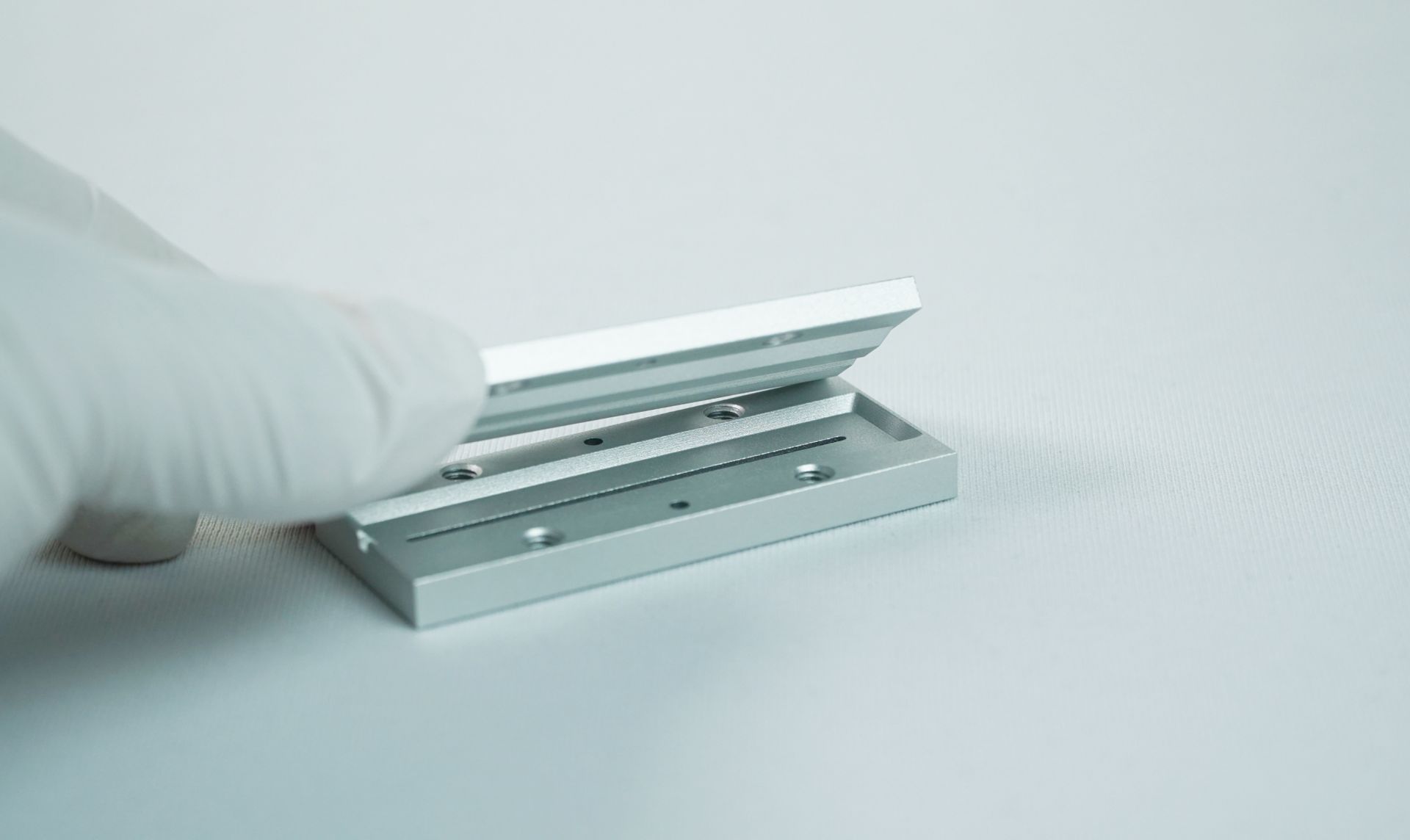
Although aluminum is easy to machine, its relatively low hardness means it is prone to scratches and dents.
For parts with visible surfaces, careful handling and appropriate finishing—such as anodizing—are recommended.
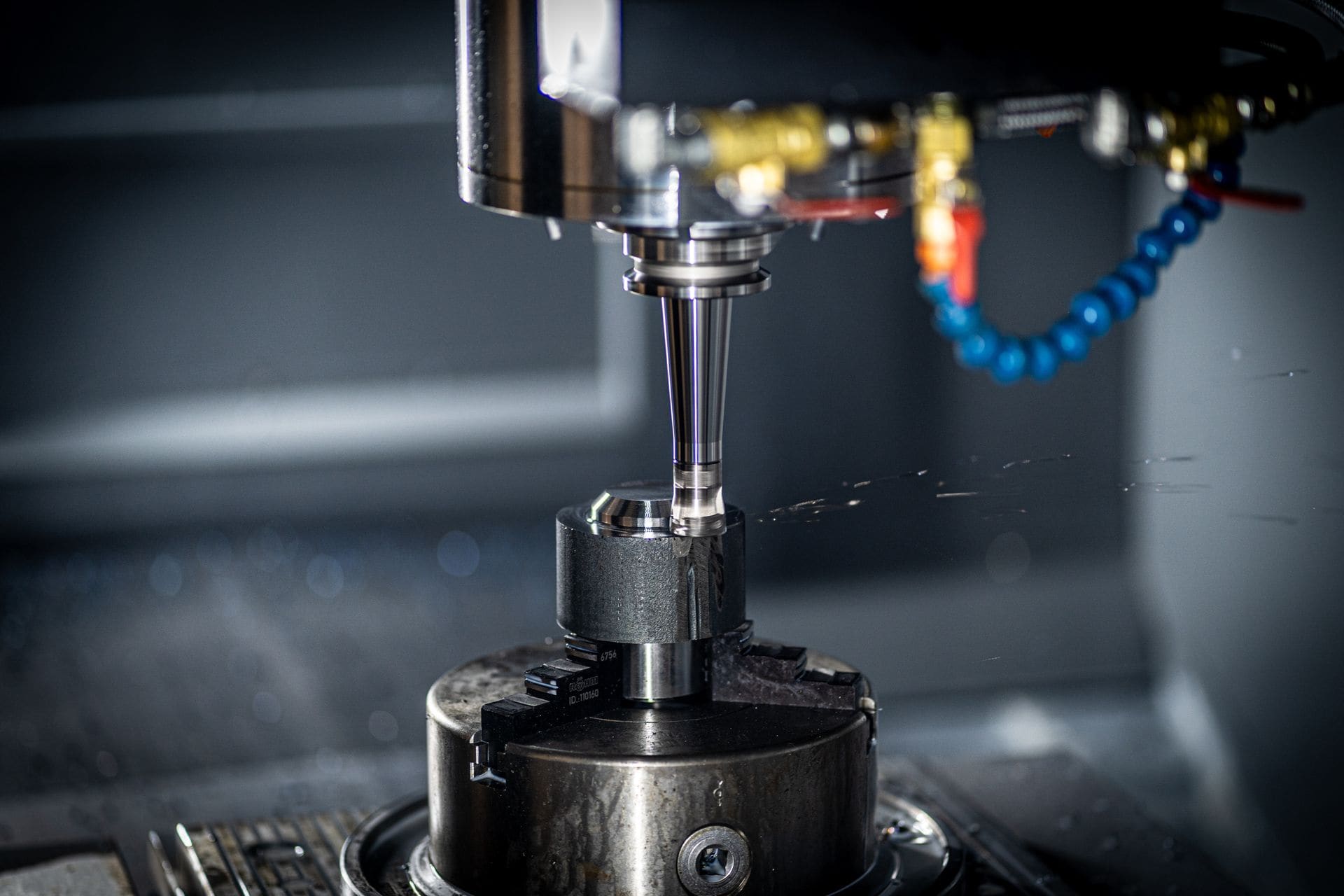
Because of its low melting point, aluminum is also susceptible to chip welding and built-up edge (BUE) during cutting.
Proper cutting fluids, air blow, and the right tool selection are essential to maintain surface quality and accuracy.
Summary
Aluminum alloys offer outstanding mechanical and chemical properties, making them suitable for a wide range of industries.
However, because alloy characteristics vary, selecting the right grade and machining approach is crucial for achieving optimal results.
From design to production, Creallo provides fast, precise, and reliable CNC machining services.
If you’re planning to machine aluminum parts, start with Creallo’s online custom manufacturing service today.
Explore More